Bootleg Therapy
- Oct 16, 2023
- 4 min read
Updated: Nov 1, 2023
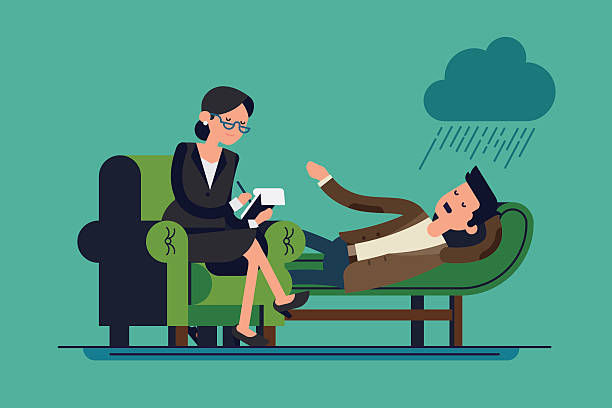
I'm not being pretentious when I constantly remind that I am a licensed psychologist and a tenured professor of Marital & Family Therapy. I'm just proud of the many years of service and experience I've had. But, I have to say that what's resurrecting my need to speak out nowadays is this fear I have of social media and the ease today in everybody (and their mama) becoming an expert by exercising their right to have an opinion over having credentials. When I hear a person giving "couples advice" on social media I may be one of the few who looks for the education and licensure of the person speaking. Some may say "That's elitist," "That's selfish," or "Licensed people can be wrong too." And that may all be true. But I believe in consumer protection. In my law and ethics class I would make my students repeat my clinical mantra, "What's the worst thing that could happen?" And let's say that something does go wrong. Who will you be able to take action against? The state that evaluates those people seeking to be in that profession or just some random person shooting a video in her or his car? And what's to stop a social influencer from being dangerous? I don't know. We didn't have these kind of issues when I got licensed in the 1980's. Much of the general public should also be fearful of those who advertise themselves as a "therapist" or "psychotherapist." Beware of these words because they are generic and mean NOTHING. They denote no level of education or clinical experience. And most people have no idea what the difference is between scope of practice and scope of competence. (Reader: Please look those terms up.) But, what seems to be grabbing people's attention is the dramatic presentation involved in "acting" like an expert. I guess that doesn't require a degree. Maybe just confidence and a good voice is all you need to prove that one is a professional? News flash: Talk shows, reality shows, and "red-table talks" are directed to portray people having genuine feelings. But they do not. They bootleg real feelings and pass them off as real. Now, I don't mind a good movie or TV series that depicts issues. But I just don't like fake scenarios that infer they are true, but are actually fictional. Some people still don't believe that "reality shows" are not "real." Even though they are scripted and directed. (This reminds me of a student, a few years ago, who asked me if they had "reality shows" in the 1960's or '70s or '80s. I tried to ignore that the student was looking at me like I was an old fossil and I thought about it for a while and then said, "Yes. WE CALLED THEM DOCUMENTARIES!") But, unfortunately, the genie is already out of the bottle. Who needs to pay a qualified therapist, when you can get it for free at your your fingertips? Who needs to make time and meet with a licensed person when you can watch YouTube snipets while you're driving through Taco Bell? Who needs to agonize with someone over self-analysis, when you can just create an algorithm where you just "follow" people you agree with. I guess this all comes back to my point that couples are consumers who need help from someone who is authentic, ethical, patient, vetted, trained, and qualified. I understand that quickness and convienence rule in our society today. For some, quick and simple "advice" may only be what people have the attention span for. Maybe they don't want to make the full committment to see a licensed or soon-to-be licensed person. But when couples are faced with confusion and pain in their relationships they should be encouraged to ask the "therapist":
1) Can you tell me about your training and experiences?
2) Are you licensed or working under someone's license?
3) What is your scope of practice and scope of competence?
4) Have you worked with clients like me or with people who have issues like mine?
5) Have you ever been in therapy?
Remember, you have the right to interview them as much as they have the right to interview you!
I was trained to be clear when I introduced myself to a client about my training and qualifications. So, that's what I passed on to all my trainees and supervisees. Clients, for most of the time, are too shy to ask. I can tell you that when Psychologists, Licensed Marital Family Therapists, Licensed Professional Counselors and Licensed Clinical Social Workers get together, the number one thing they agree that is part of the success in therapy is THE THERAPEUTIC RELATIONSHIP. Some may have been given the impression the relationship can be with an "app"or a talk show host. I just ask anyone publishing on YouTube or Tick Tok to make sure and mention that when people have serious injuries to their relationship, that they may need to seek licensed therapy and not psuedo-therapy. I also pray that people do the same if they have a serious bone fracture, medical illness, physical condition, etc. that they check out medical doctors who are licensed, monitored, trained and qualified.
Comments